Professional Tree Inspections & Tree Health Assessments
Our on-staff arborist assesses tree condition, decline and potential hazards. Request a professional tree inspection for your Central Florida property.
REQUEST YOUR FREE ESTIMATE ↗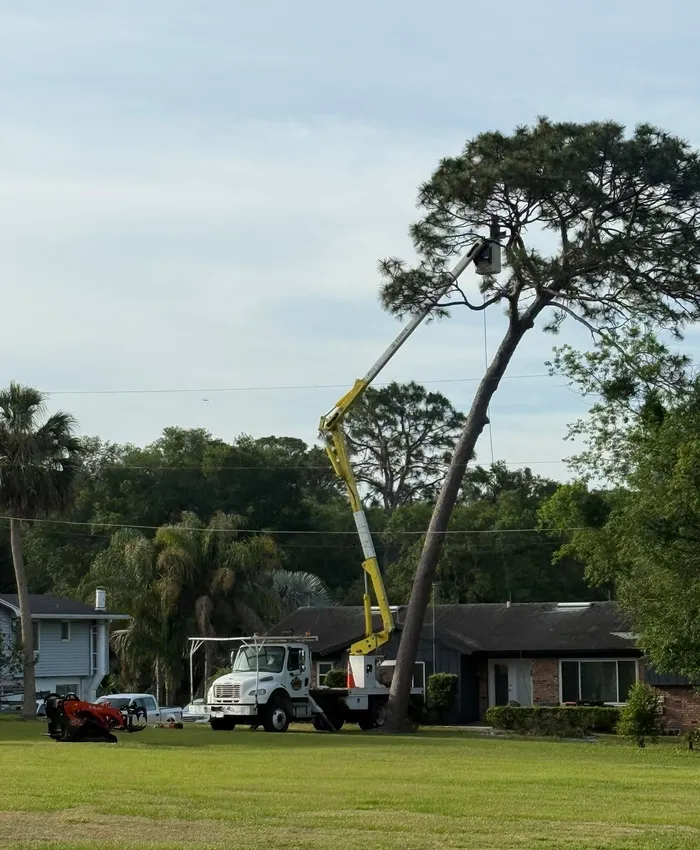
THE RIGHT APPROACH
STARTS ON YOUR PROPERTY.
New lean, trunk cracks, root disturbance, hanging limbs, and canopy changes are reasons to seek a professional inspection. Online questions and photographs cannot determine structural safety. Discuss an inspection with our on-staff arborist. Confirm the assessment scope, fee and any written report before scheduling.
- Property location and access
- Nearby structures and overhead utilities
- Debris handling and desired finish
- A written estimate before work begins
TELL US WHAT YOU SEE.
Share the property location, your goal, and photos if you can take them safely.
BUILD THE PLAN.
An assessment establishes access, project scope, and the appropriate work method.
AGREE THE DETAILS.
Confirm the written scope, permit responsibilities, cleanup, and scheduling before work.
A professional inspection of the tree you are concerned about
Volusia Bobcat & Tree Service has an arborist on staff who performs tree assessments, consultations and written assessment documentation. Request an inspection when you need help understanding a tree’s condition and deciding whether preservation, pruning, further investigation or removal should be considered.
Tell us which tree concerns you, what changed and when you noticed it. A scheduled assessment is different from a removal estimate; confirm the scope, fee and any written deliverable before the visit.
Dead or dying tree inspection
A sparse canopy or lost leaves alone does not establish that a tree is dead. Share the timing of leaf loss, branch dieback and changes around the roots or trunk. Our arborist can assess visible condition and discuss next steps.
A declining tree may raise both health and structural questions. Mention nearby roofs, walkways and occupied areas, and keep people away from hanging or broken limbs. Do not climb the tree or test its stability yourself.
Tree risk assessment: the tree and what surrounds it
A tree risk assessment considers observed tree concerns together with the people, structures or other features that could be affected. A hazard concern near a home, parking area or frequently used path deserves a property-specific discussion. Confirm the assessment scope and any required qualifications before commissioning the work.
Visible cracks, decay, a changed lean, damaged roots or hanging limbs are reasons to request professional attention. They do not let an online page determine the tree’s safety. The arborist discusses the observed concerns, assessment limitations and available recommendations.
After a storm, describe changes from a safe place
Mention new damage, movement, broken branches or ground disturbance after strong wind and rain. Stay clear of damaged trees and overhead hazards. For a downed line, injury or immediate danger, call 911 and the utility first.
Inspection and cleanup are separate decisions. A tree may need assessment before debris can be approached safely; contact us by phone for urgent availability rather than waiting for an online form response.
What a visual assessment can and cannot establish
A visual inspection is limited to observable conditions and accessible areas at the time of the visit. It cannot guarantee that a tree will not fail or expose every internal or below-ground defect. Photos and our online tools help organize a request; they are not a structural assessment.
Ask what was inspected, what could not be inspected and whether further investigation or reassessment is recommended. If you need written findings, request a letter or report explicitly. Laboratory disease testing, pest treatment and specialized preservation systems are not advertised as available without separate confirmation.
Recommendations and assessment documentation
Depending on the findings and your goals, the next step may involve preservation advice, pruning, a removal discussion or additional assessment. Ask for the reasoning, any follow-up and a clear separation between the assessment and proposed physical work.
For a written record, provide the recipient’s requirements before scheduling. Our arborist writes letters and assessment documentation, but acceptance by an authority, insurer or HOA depends on their specific requirements.
Questions before you schedule
When should I have a tree inspected?
Request professional attention for a changed lean, visible cracks, hanging limbs, root disturbance or significant decline, particularly near occupied areas. Keep clear of active hazards and call emergency services or the utility for immediate danger.
Can an arborist assess a dying tree?
Yes. Our on-staff arborist evaluates tree condition and discusses recommendations. Describe the timeline and visible changes; photographs alone cannot establish a diagnosis or structural safety.
Who can inspect a tree after a hurricane?
Contact the business to discuss an assessment by our on-staff arborist and current availability. Unstable trees, damaged buildings and utilities may require immediate emergency assistance before a routine visit.
Does a tree risk concern always mean removal?
No single observation on this website determines removal. The on-site assessment, surrounding property, limitations and available mitigation options guide the discussion. Ask for the findings and next steps.
Choose the assessment you need
Use your existing city planning resources
These established hubs provide local project and jurisdiction resources. Share the address to confirm the assessment arrangements.
Volusia County
Seminole County
What shapes the estimate?
Ask what assessment and written documentation are included, who will provide them, and whether follow-up is separate.
Record observations without diagnosing the tree. Ask about the appropriate qualified professional; this website does not establish arborist credentials.
Can photos diagnose a tree disease?
Photos can help describe changes but cannot establish a diagnosis or structural safety. A qualified professional may need an on-site inspection.
Related specialty services
LET'S GET
TO WORK.
Start with the property. Build the right plan.
GET YOUR FREE ESTIMATE ↗