Forestry mulching
Explore a clearing approach that processes vegetation into mulch on site where conditions allow.
REQUEST YOUR FREE ESTIMATE ↗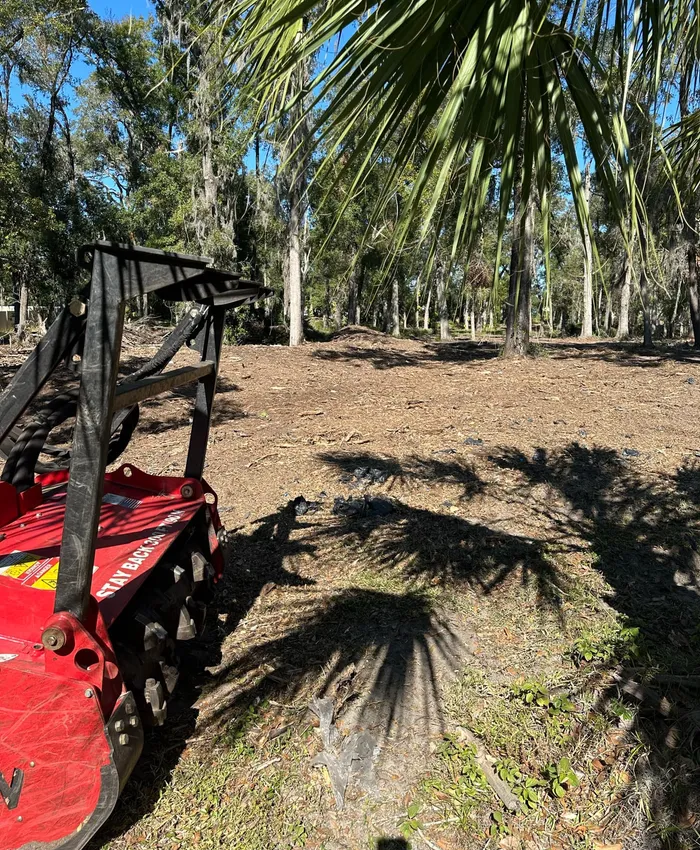
THE RIGHT APPROACH
STARTS ON YOUR PROPERTY.
Vegetation density, terrain, access, and the size of material affect whether mulching fits your property. Discuss trees to retain, erosion concerns, drainage, and the final appearance you want. Site assessment determines the appropriate equipment and method.
- Property location and access
- Nearby structures and overhead utilities
- Debris handling and desired finish
- A written estimate before work begins
TELL US WHAT YOU SEE.
Share the property location, your goal, and photos if you can take them safely.
BUILD THE PLAN.
An assessment establishes access, project scope, and the appropriate work method.
AGREE THE DETAILS.
Confirm the written scope, permit responsibilities, cleanup, and scheduling before work.
GET READY FOR
THE CONVERSATION.
Use these guides to organize project details, compare scope, and prepare useful questions before contacting the team.
Brush becomes mulch where it grows
Forestry mulching processes suitable standing vegetation and brush into smaller material that remains on the site. It can open overgrown areas without treating every project as a full clearing and hauling job. First identify the intended use: an access lane, a more manageable wooded area or a boundary that needs attention.
Mulching is not the same as stump grinding, removing roots, grading or preparing a building pad. Large trees, heavy timber, buried debris, wire and mixed waste may require separate work. The site visit establishes which material can be processed and which needs another approach.
The machine needs a workable route
Share the narrowest gate or entry width, turns, driveway condition, slopes and soft ground. Equipment must reach the work area and turn safely without crossing features you want protected. Do not assume that a machine can cross a septic system, irrigation lines or an unsupported edge.
Mark trees and landscape areas to retain with the team before work. Hidden metal, old fencing, rocks and dumped material can change the method or scope. Describe known obstructions before scheduling.
- Show the full access route in safe overview photographs.
- Identify private utilities, septic areas and drainage features.
- Discuss staging, nearby buildings and the intended cleared limits.
Know what remains after the work
Processed vegetation remains as a surface mulch layer. Its appearance depends on the original material and agreed processing scope. Roots, uneven ground and some woody material may remain; mulching alone does not create a lawn or a finished construction surface.
Walk through the desired finish during the estimate: how open the area should become, what vegetation remains and whether follow-up maintenance, stump work or hauling is separate. Regrowth and future upkeep should be considered when comparing options.
Acreage is only part of the estimate
Density, material size, access distance, terrain, ground conditions and the amount of vegetation to retain affect production and price. A narrow access corridor and a densely overgrown lot can require different plans even at similar acreage.
Request a free site estimate with the property address, approximate area, safe photographs and intended use. The written scope should identify work limits, retained trees, access, handling of unsuitable material and the expected finish. No per-acre rate is assumed before assessment.
Check boundaries, utilities and sensitive ground first
Confirm the work boundary and ownership before clearing near a fence or adjoining parcel. Locate utilities before ground-disturbing work and identify private lines separately. Wetlands, drainage areas and protected trees may affect what can be done; confirm the applicable requirements with the responsible authority before scheduling.
Do not treat a mailing address as proof of municipal jurisdiction or assume vegetation work is permit-exempt. Describe the parcel, proposed work and intended use when asking the city or county about requirements.
Questions before you schedule
Will forestry mulching remove my stumps?
It is not a substitute for a specified stump-grinding job. Identify stumps and root flares during the site visit and agree any separate grinding, depth and chip handling in writing.
Is mulching a good choice before building?
It may address vegetation, but it does not establish that a site is ready for construction. Foundations, grading, drainage, soil conditions and required approvals need their own review. Explain the future use before choosing the clearing method.
Do you haul away the mulch?
On-site mulch is the usual finish described here. If you need material hauled away or a different surface, ask for that separate scope in the estimate.
Plan mulching in your area
Forestry mulching is offered in DeLand, Daytona Beach and Ormond Beach. Start with your city’s service and parcel-planning resources, then request a site estimate.
What shapes the estimate?
Density and size of vegetation, terrain, access, material left on site, and the finished surface affect the work. Confirm suitability before comparing it with hauled clearing.
Compare the desired finish: material processed on site versus removal and hauling. Confirm equipment fit and any approvals for the parcel.
Does mulching remove every stump and root?
Do not assume it does. Ask the written scope to identify vegetation treatment, remaining roots or stumps, and the finish agreed for your project.
LET'S GET
TO WORK.
Start with the property. Build the right plan.
GET YOUR FREE ESTIMATE ↗