How to Prepare Your Trees for Hurricane Season: Essential Tree Care and Emergency Services in Florida
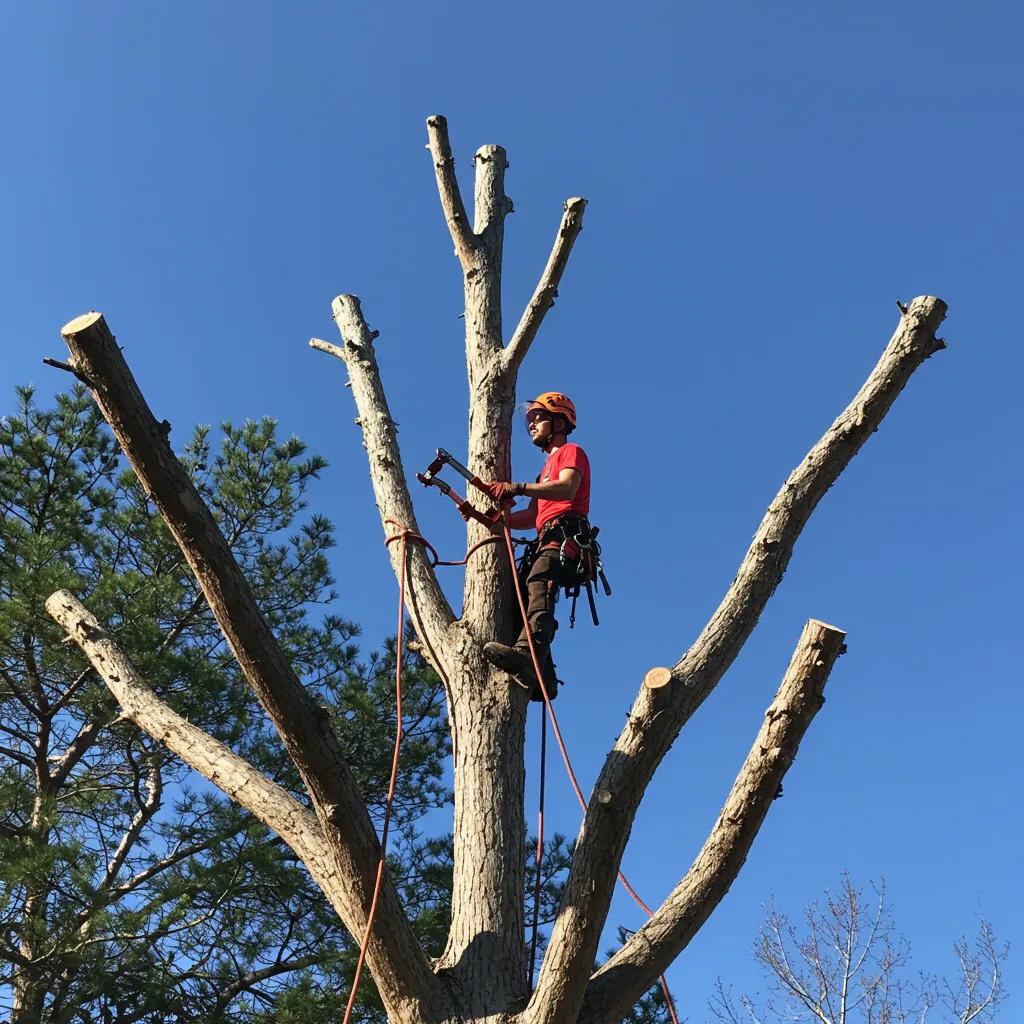
Hurricane season brings predictable periods of high wind, heavy rain, and storm surge that place trees and landscapes at elevated risk across Florida, especially in coastal and inland areas prone to tropical systems. This guide explains how targeted tree preparation—visual risk assessment, strategic pruning, removal of hazardous trees, and young-tree support—reduces property damage and speeds recovery, giving homeowners practical, research-aligned steps to follow before a storm. Readers will learn to perform a pre-hurricane tree risk assessment, apply proven pruning techniques that improve wind resistance, decide when removal or cabling is appropriate, and manage post-storm cleanup and salvage. The article integrates local considerations for Volusia County, references related authorities such as ISA and UF/IFAS guidance, and outlines when to call professional arborists and emergency tree services. Throughout, you’ll find checklists, comparison tables, and step-by-step actions optimized for homeowner decision-making and safety during the 2025 hurricane season.
Why Is Preparing Your Trees for Hurricane Season Crucial?
Preparing trees ahead of hurricanes prevents predictable failure modes that threaten structures, utilities, and personal safety by addressing weaknesses before extreme weather amplifies them. Proactive tree care reduces the wind profile of crowns, removes hazardous deadwood that can become flying projectiles, and stabilizes root zones that otherwise might fail under saturated soils. Recent studies and extension guidance emphasize that routine structural pruning and hazard mitigation lower emergency removal needs and associated costs while protecting homes and access routes. Preparing trees also shortens post-storm recovery time because fewer large failures mean less debris and faster provision of safe work zones for repair crews; this reduction in risk and recovery burden is why preparation is essential.
What Are the Risks of Unprepared Trees During Hurricanes?
Unprepared trees present several distinct hazards: limb failure that damages roofs and power lines, whole-tree uprooting that blocks access and crushes vehicles, and broken trunks that can fall unpredictably. Structural defects such as co-dominant stems, internal decay, and root rot increase the likelihood of catastrophic failure when high winds and saturated soils occur. Utility outages and secondary damage often result from these tree failures, creating safety risks for occupants and first responders. Recognizing these specific failure modes helps homeowners prioritize inspections and mitigation steps before a storm.
How Does Proactive Tree Care Reduce Property Damage?
Proactive care reduces property damage by changing how wind forces act on trees: canopy thinning lowers wind sail while selective branch removal reduces the mass that can strike structures. Maintenance that stabilizes roots and removes decay reduces the chance of uprooting and trunk failure under saturated soils. Regular inspections and scheduled corrective pruning create predictable, repairable conditions that reduce emergency removal needs and insurance claims complexity. Understanding these mechanisms clarifies why planned interventions are both a safety priority and a cost-saving measure.
Why Hire a Certified Arborist for Hurricane Tree Assessment?
Certified arborists bring diagnostic tools and training to detect internal decay, root-failure indicators, and structural defects that are not obvious to untrained observers. Professionals follow standards—such as ISA pruning guidelines and UF/IFAS recommendations—to rank risk, propose mitigation (prune, cable, or remove), and document findings for insurance or permitting needs. A professional report typically includes a risk rating and prioritized actions that align with local regulations and safety best practices. Hiring a certified arborist reduces liability and ensures mitigations are durable and compliant with accepted arboricultural methods.
How to Conduct a Pre-Hurricane Tree Risk Assessment in Florida?

A pre-hurricane risk assessment combines a homeowner visual checklist with a professional diagnostic workflow to identify high-risk trees and limbs before storms arrive. Start with simple visual checks—deadwood, leaning trunks, soil heave—and escalate to a certified arborist for decay detection, crown inspection, and root-zone evaluation when warning signs appear. Professional inspections use structured risk-rating systems and may recommend pruning, cabling, or removal based on proximity to structures and failure likelihood. Performing this assessment 4–8 weeks before expected season peaks provides time to implement mitigations while weather windows remain favorable.
Before inspection, use this simple homeowner checklist to identify issues to flag for a pro:
- Dead limbs or heavy deadwood visible in the crown: Dead wood increases projectile risk during high winds.
- Noticeable lean or recent tilting of the trunk: A new or increasing lean can indicate root failure or soil movement.
- Cavities, fungal fruiting bodies, or severe trunk cracks: Visible decay often signals internal structural weakness.
Volusia Bobcat & Tree Service offers professional tree inspection services for property owners who identify hazards or prefer an expert assessment; their certified arborist inspections include a prioritized report and free estimate to plan mitigations ahead of storms. Requesting a professional inspection ensures detailed diagnostics—such as decay probing and risk scoring—are completed before hurricane conditions make safe corrective work impossible. After inspection, homeowners receive documented recommendations and can schedule mitigation to reduce emergency removal risk. Moving from a homeowner checklist to a certified assessment is the recommended next step when any warning signs are present.
What Are the Signs of Hazardous Trees and Limbs?
Visible indicators of hazardous trees include extensive deadwood, multiple large co-dominant stems, deep trunk cracks, fungal conks, and evidence of root plate heave or soil subsidence. Immediate attention is warranted when large branches hang over structures, power lines, or frequently used driveways and when decay or cavities exceed a modest proportion of trunk diameter. Some signs are subtle; for instance, recent canopy dieback or thinning after drought suggests compromised vigor that will worsen under storm stress. Early detection supports timely mitigation and is an essential part of pre-storm preparation.
How Do Certified Arborists Perform Tree Inspections for Storm Readiness?
Certified arborists use a structured inspection workflow: visual crown and trunk assessment, sounding or probing suspicious wood, root-zone examination for heave or girdling roots, and evaluating site conditions that affect anchorage. They document findings with photographs and assign a risk rating that guides treatment recommendations like canopy thinning, structural pruning, cabling, or removal. Deliverables typically include a written report, cost estimates, and recommended timelines aligned with safety priorities. This professional approach reduces guesswork and supports permitting or insurance requirements where applicable.
What Local Regulations Affect Tree Removal and Pruning in Volusia County?
Local regulations can affect removal or pruning when trees meet size thresholds, are protected species, or exist within conservation districts; some actions require permits and advance notice. Homeowners should check Volusia County ordinances or consult a certified arborist familiar with local permitting triggers before scheduling removals. In emergencies when immediate removal is necessary for safety, many jurisdictions allow expedited actions but may require post-action documentation; a professional contractor can help navigate those rules. Understanding regulatory constraints ensures legal compliance and prevents delays in mitigation work.
What Are the Best Hurricane Tree Trimming and Pruning Techniques?
Hurricane pruning focuses on reducing wind resistance and removing structural defects while preserving long–term tree health; three primary techniques—canopy thinning, deadwood removal, and structural pruning—achieve these goals when applied judiciously. Proper cuts follow ISA standards and aim to remove no more than a safe percentage of live crown, maintaining enough foliage for recovery while reducing sail. Avoiding harmful practices and timing work correctly improves wind resistance and minimizes stress-related decline. These targeted techniques form the practical core of storm-ready maintenance.
Recommended hurricane pruning techniques include the following:
- Canopy Thinning: Selective limb removal to open the crown and reduce wind load while maintaining tree form.
- Deadwood Removal: Removing dead branches that can detach and cause damage during high winds.
- Structural Pruning: Corrective cuts to address co-dominant stems and reduce crotch-to-trunk weaknesses.
Using these techniques together creates a balanced canopy that resists wind while supporting tree health during recovery.
Before showing comparisons, this table summarizes pruning approaches, their intended uses, and relative risk.
| Technique | Recommended Use | Risk Level | Expected Benefit |
|---|---|---|---|
| Canopy thinning | Reduce wind sail and turbulence | Low | Lowers wind load, reduces sail area |
| Deadwood removal | Eliminate projectile hazards | Very low | Removes immediate failure sources |
| Structural pruning | Correct co-dominant stems and weak unions | Medium | Improves long-term stability |
| Topping (avoid) | None—short-term crown reduction only | High | Causes decay, weak regrowth |
How Does Strategic Canopy Thinning Improve Wind Resistance?
Strategic canopy thinning reduces the effective sail area of a tree and decreases wind pressure by improving airflow through the crown, which lowers bending moments on the trunk. Proper thinning focuses on interior branches and crossing limbs rather than removing large scaffold limbs that provide structural support. As a rule of thumb, avoid removing more than roughly 20–25% of live crown at once to reduce stress and allow for recovery. Implementing thinning correctly reduces the chance of catastrophic limb or whole-tree failure during hurricanes.
Which Pruning Practices Should Be Avoided Before a Hurricane?
Avoid topping, hatracking, or lion-tailing, which remove large amounts of live tissue or create long, unsupported shoots that are prone to breakage in storms. These practices stimulate weak regrowth and increase long-term failure risk while providing only short-term aesthetic change. Instead, use selective structural pruning and thinning cuts that preserve bark collars and maintain good branch architecture. Choosing proper techniques avoids creating new problems while attempting to reduce immediate risk.
When Is the Optimal Time to Prune Trees Before Hurricane Season?
Schedule structural pruning and hazard removal several weeks to a few months before the height of hurricane season to allow wounds to begin healing and to avoid cutting during active growth flushes that weaken trees. In Florida’s climate, timing may vary by species, but pre-season windows in late winter to early spring often offer good recovery time before summer storms. Emergency pruning, performed within days of an approaching storm, should be limited to removal of immediate hazards only and handled by professionals. Planning ahead secures better outcomes than last-minute interventions.
When and How Should You Remove High-Risk Trees Before a Hurricane?
Removal of high-risk trees is a safety-driven decision based on objective criteria: severe decay, active root failure, direct threat to structures, or irreparable structural defects. Planned removals differ from emergency removals in that they can be scheduled with appropriate permits, traffic control, and staged debris management, while emergency removals require rapid response and immediate hazard mitigation. Safety and cost considerations should guide decisions, and professionals provide risk-based recommendations that minimize liability and downstream costs. When removal is necessary, follow safety protocols and obtain written estimates and documentation.
When deciding removal, use this decision table to compare criteria, urgency, and recommended action.
| Condition | Urgency | Safety Risk | Recommended Action |
|---|---|---|---|
| Extensive trunk decay | High | Very high | Remove promptly |
| Severe lean with root plate movement | High | Very high | Emergency removal likely |
| Small dead branches only | Low | Low | Prune deadwood |
| Co-dominant stems with minor defect | Medium | Medium | Structural pruning or cabling |
What Criteria Determine the Need for Emergency Tree Removal?
Immediate removal is warranted when a tree shows active root-failure signs, a sudden increase in lean, large hanging limbs over occupied structures, or when trunk failure is imminent. Other red flags include significant trunk cracks with displacement and heavy fungal conks indicating advanced decay. Prioritizing these signs helps emergency crews focus on life-safety hazards first. Homeowners should avoid DIY removal in these situations and seek professional emergency services.
How Does Volusia Bobcat & Tree Service Provide 24/7 Emergency Tree Removal in Florida?
Volusia Bobcat & Tree Service provides around-the-clock emergency tree removal with a safety-first workflow: an initial rapid assessment, site cordoning, staged removal of hazardous elements, and controlled debris removal to restore access. The company emphasizes licensed and insured operations, fast response times, and affordable pricing structures to minimize homeowner burden during emergencies. Expect professional crews to document work and provide a follow-up plan for stump grinding or land clearing if needed. Contacting a licensed emergency provider ensures safe, compliant removal when time is critical.
What Are the Safety and Cost Considerations for Storm-Ready Tree Removal?
Safety protocols for storm-ready removals include assessing overhead utilities, staging traffic control, using qualified rigging techniques, and ensuring insurance and permits are in place when required. Cost drivers for removal are tree size, proximity to structures or utilities, accessibility of the site, and whether the work is emergency after-hours. Homeowners should request written estimates, verify contractor licensing and insurance, and consult insurers about potential coverage. Prioritizing qualified providers reduces risk and clarifies cost expectations when removal is necessary.
How to Protect Young and Vulnerable Trees for Hurricane Season?
Protecting young trees involves strengthening root establishment and providing temporary above-ground support to withstand wind until roots develop adequate anchorage. Practices such as correct planting, proper mulching, and short-term staking reduce transplant shock and prevent trunk damage during storms. When combined with good irrigation and pruning to establish a single central leader, these measures increase survival odds through repeated seasonal storms. Early investment in support and planting best practices reduces the future need for more invasive mitigations.
What Are Effective Staking and Mulching Techniques for Young Trees?
Effective staking uses two flexible ties attached to stakes outside the root ball, allowing slight trunk movement that promotes stronger root growth while preventing excessive sway; stakes should be removed after one growing season or once the tree is stable. Mulching in a 2–4 inch depth, kept away from direct trunk contact, conserves soil moisture, moderates temperature, and reduces weed competition that can impair root development. Overuse of mulch or persistent trunk contact should be avoided because it fosters rot and girdling roots. These techniques foster root establishment and reduce uprooting risk during storms.
When Should Tree Cabling and Bracing Be Used for Storm Support?
Cabling and bracing are appropriate when a structurally valuable tree has significant defects—such as a weak union or large limb with good long-term value—that can be corrected without removal. These methods distribute mechanical stresses and can extend the life of a specimen while reducing immediate failure risk. Cabling is a middle-ground solution when pruning alone is insufficient but removal is not desirable; ongoing inspections and maintenance of cabling hardware are required. Use cabling when the tree’s preservation aligns with safety and cost considerations.
What Steps Should You Take for Post-Hurricane Tree Recovery and Cleanup?

Post-hurricane recovery prioritizes safety first: avoid downed power lines, assess structural hazards from a distance, and document damage for insurance. Triage your landscape by removing immediate hazards, salvaging trees with recoverable crowns, and contracting professionals for large or unstable removals. Proper sequencing—safety, documentation, emergency pruning/removal, then debris removal and stump grinding—speeds recovery and reduces secondary hazards. Knowing when to call professionals for heavy equipment, stump grinding, or land clearing accelerates property restoration.
After storms, follow these immediate action steps to manage tree damage safely:
- Safety first: Stay clear of downed power lines and unstable trees and call utility or emergency services as appropriate.
- Document damage: Photograph downed trees and structural impacts for insurance and contractor scope-of-work.
- Triage hazards: Mark trees that pose immediate danger and schedule emergency removal before addressing cosmetic or salvageable trees.
These steps stabilize the site and prepare homeowners to engage professionals for larger recovery tasks.
How to Safely Remove Storm Debris and Fallen Branches?
For small debris, homeowners can remove low-risk branches using proper PPE, hand tools, and safe lifting techniques; avoid attempting to cut branches under tension or near utilities. For large limbs, cracked trunks, or trees entangled with structures or lines, hire professionals with rigging experience and appropriate equipment. Keep a safe perimeter and never assume a fallen tree is stable; secondary movement can occur when cutting tensioned wood. Proper initial triage reduces further property damage and personal injury.
Can Damaged Trees Be Salvaged After a Hurricane?
Salvage decisions hinge on root stability, percentage of live crown remaining, trunk integrity, and the presence of major wounds or decay; trees with less than about 50% crown loss and stable roots are more likely to recover with care. Immediate salvage practices include pruning broken limbs, ensuring proper wound cuts, and providing post-storm watering and monitoring for pests and disease. When structural damage is severe or the tree threatens structures, removal is the safer choice. Consulting a certified arborist helps determine whether rehabilitation or removal is the appropriate course.
When Is Stump Grinding and Land Clearing Necessary Post-Storm?
Stump grinding is necessary when stumps present trip hazards, interfere with restoration equipment, or attract pests that threaten landscape recovery. Land clearing becomes appropriate when multiple uprooted trees block access, impede rebuilding, or create ongoing safety risks. Professional grinding and clearing restore safe access, reduce future liability, and prepare sites for replanting or construction. Engaging contractors who can coordinate debris removal, grinding, and disposal accelerates property recovery and site readiness.
Volusia Bobcat & Tree Service supports post-storm recovery with debris removal, stump grinding, and land clearing solutions designed to restore access and reduce hazards quickly; their teams can be called for emergency response and written estimates. When salvage is possible, crews perform targeted pruning and stabilization; when removal and clearing are required, they provide comprehensive site cleanup. Engaging an experienced contractor streamlines recovery and brings licensed, insured crews to complex post-storm operations.
Which Tree Species Are Best Suited for Florida’s Hurricane-Prone Climate?
Choosing wind-resistant species and planting them with appropriate spacing and root establishment practices reduces long-term storm risk; species selection should consider canopy form, root behavior, and historical performance in the region. Native and well-adapted species with deep fibrous roots and low, streamlined crowns typically fare better under hurricane winds. Planting strategies that prioritize distance from structures, proper hole preparation, and preservation of root flares increase resilience. Combining species selection with ongoing maintenance yields the best defense against future storms.
Below is a practical species comparison tailored to wind resistance traits and planting recommendations for Volusia County landscapes.
| Species | Wind Resistance Trait | Planting Recommendation |
|---|---|---|
| Live Oak (Quercus virginiana) | Deep root system, low center of gravity | Plant with adequate spacing from structures |
| Sabal Palm (Sabal palmetto) | Flexible trunk, fan-shaped fronds | Use as windbreaks and near coasts |
| Southern Magnolia (small cultivars) | Strong wood, dense root system | Choose smaller cultivars for near-home planting |
| Ligustrum (managed forms) | Low canopy profile when pruned | Maintain regular pruning to avoid sail |
What Are the Top Wind-Resistant Trees Recommended for Volusia County?
Top choices include species with proven coastal and inland performance such as live oak for stability, sabal palm for flexibility and salt tolerance, and appropriately managed magnolias or smaller native hardwoods for canopy control. Selecting cultivars with tighter growth habits reduces sail and decreases the need for frequent pruning. Check UF/IFAS extension resources for species suitability by microclimate and soil type to refine selections. Proper species selection lays the groundwork for long-term, storm-resilient landscapes.
How Should You Plant Trees to Maximize Storm Resilience?
Plant trees with the root flare visible at soil level, in a hole no deeper than the root ball and at least twice as wide to encourage lateral root growth. Space trees away from structures and utilities according to expected mature canopy spread to minimize future risk. Use mulch correctly and avoid excessive fertilization that promotes weak, rapid growth prone to wind damage. These planting practices support strong root systems and reduce the likelihood of uprooting during storms.
Volusia Bobcat & Tree Service assists homeowners with species selection, planting best practices, and larger landscape changes that improve storm resilience; their services include planting advice, land clearing for optimal placement, and long-term maintenance plans. For homeowners seeking professional support, engaging a local specialist helps align species choice with microclimate and maintenance capacity. A planned approach to planting and maintenance reduces future emergency interventions and fosters safer, healthier landscapes.
Volusia Bobcat & Tree Service is a licensed, insured tree care specialist serving Volusia, Seminole, Flagler, and Orange County, offering 24/7 emergency services, fast response, free estimates, and price-match options to help homeowners prepare and recover from hurricanes. Their teams provide certified arborist inspections, emergency removal, stump grinding, and land clearing as integrated solutions for storm readiness and post-storm recovery. If you need a professional inspection, emergency response, or a written estimate to plan mitigations ahead of hurricane season, contact Volusia Bobcat & Tree Service to arrange an assessment and next steps.