Deltona Tree Removal: Why Choose Professional Cutting for Safe and Efficient Service

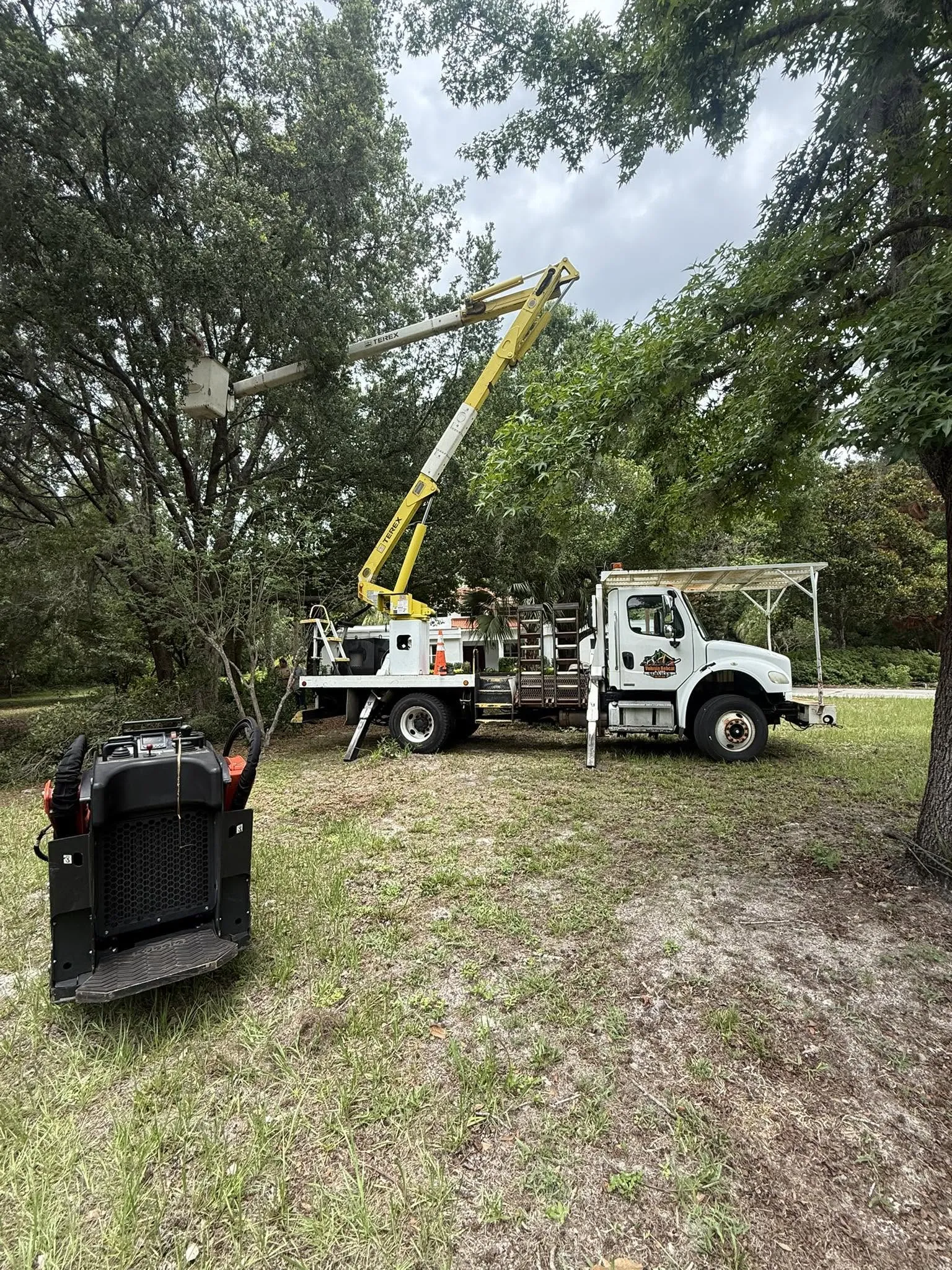
In Deltona, professional tree cutting means using trained arboricultural professionals and industry-grade equipment to remove trees safely, efficiently, and with minimal disruption to the property and neighborhood. This article explains the core risks of DIY tree removal, the specific advantages professionals bring, the range of services available locally, how pricing is determined, and what Deltona permit rules typically require. Property owners often underestimate the physical danger, legal exposure, and hidden costs that come with untrained removal; this guide offers clear, actionable information so readers can evaluate options confidently. You will find practical lists of hazards, an EAV-style breakdown of service types and cost drivers, and step-by-step guidance for obtaining transparent quotes. Finally, the article outlines how local providers support permitting and emergency response in Volusia County, and it explains what to check when choosing a contractor for complex or storm-damaged trees.
What Are the Risks of DIY Tree Removal in Deltona?

Professional tree removal is a risk-managed construction activity requiring tools, training, and site control; attempting it without those controls places homeowners and neighbors at serious risk. Untrained cutters commonly misjudge leaders, fail to establish safe drop zones, and omit necessary rigging, which increases the chance of falling limbs striking people, structures, or utilities. The immediate consequence is personal injury, but the collateral outcomes include property damage, denied insurance claims, and expensive emergency repairs. Understanding these risks helps property owners decide when to call an expert and what protections to demand before work begins.
What Dangers Do DIY Tree Cutting Pose to Property and Personal Safety?
DIY tree cutting exposes people to fall hazards, struck-by incidents, and electrocution when branches are near powerlines, all of which can result in severe injury or death. Incorrect cutting techniques and poor rigging can cause whole-tree failures or unpredictable limb drops that damage roofs, fences, and vehicles, creating high repair bills and liability exposure. Even with basic safety gear, homeowners lack the coordinated crew, traffic control, and rescue-ready protocols used by professionals, increasing the chance of catastrophic outcomes. Recognizing these dangers is the first step toward prioritizing professional assessment and controlled removal.
What Hidden Costs and Liabilities Can DIY Tree Removal Cause?
Beyond immediate safety risks, DIY removal often creates hidden expenses: emergency structural repairs, medical bills, neighbor damage claims, and municipal fines for improper disposal or unpermitted removals. Insurance claims may be denied when homeowners perform hazardous work themselves or when they cannot prove adherence to industry safety standards, shifting financial responsibility to the property owner. Equipment rentals, stump-grinding, chip hauling, and clean-up can add substantially to an initially low-looking DIY estimate. Planning for these potential costs underscores why an upfront professional quote that lists scope and exclusions can reduce long-term expense and legal exposure.
Why Is Professional Tree Cutting the Best Choice in Deltona?
Professional tree cutting combines risk assessment, technical execution, and site restoration to deliver safer outcomes and predictable costs for property owners. Experts evaluate tree condition, local site constraints, and nearby infrastructure to choose the proper removal method and equipment, reducing risk to people and property. Certified practitioners and experienced crews use advanced gear—rigging systems, bucket trucks, crane assistance where needed—and follow industry safety protocols that protect homeowners and workers. The result is a controlled removal with efficient debris handling, minimal collateral damage, and documented scope that supports insurance or permitting needs.
For property owners who want local, dependable service, select providers that emphasize safety-first crews, transparent estimates, and emergency response options. These criteria ensure the professional advantage is delivered consistently and that owners have recourse if unexpected issues arise.
How Do Certified Arborists Ensure Safe and Expert Tree Removal?
A certified arborist provides a structured assessment of tree health, structural defects, and species-specific failure modes that inform removal method and risk mitigation. This assessment identifies decay, root compromise, or disease patterns that alter cutting sequences and rigging choices to prevent uncontrolled collapse. Arborists also recommend preservation alternatives when appropriate, such as targeted pruning or cabling, and they supervise crews so removal follows the engineered plan. Requesting an assessment report gives homeowners clear reasoning for the recommended approach and creates recordable documentation for permits or insurance.
What Advanced Equipment and Safety Protocols Are Used in Professional Cutting?
Professionals deploy equipment that matches job complexity: bucket trucks and aerial lifts for elevated work, rope-and-sling rigging for sectional dismantling, and cranes for extremely large or precarious removals. Standard safety protocols include establishing exclusion zones, using certified rigging hardware, fall protection for climbers, PPE for ground crews, and traffic control when work impacts public ways. These tools and procedures reduce uncontrolled drops and protect utilities, landscaping, and structures. Knowing when each tool is appropriate helps homeowners evaluate estimates and confirm that a proposed method matches observed site conditions.
How Does Insurance Provide Peace of Mind for Property Owners?
Insurance coverage—general liability and workers’ compensation—shields homeowners from financial responsibility for damage or injury that occurs during professional removal when the provider maintains active policies. Confirming proof of insurance before work starts protects against repair costs, medical claims, and litigation stemming from jobsite incidents. Professionals typically provide written verification of coverage and clarify scope limits; homeowners should request that documentation and note any exclusions. Verifying insurance aligns expectations and reduces the risk that an accident will become a personal financial burden.
Why Is Efficient Debris Removal and Site Cleanup Essential?
Efficient debris removal eliminates trip hazards, reduces pest and fire risks, and restores the property so owners can proceed with landscaping or construction plans. Professionals often offer chipping, mulch delivery, haul-off, and stump grinding as follow-up services to leave the site usable and code-compliant. Proper cleanup also influences permit outcomes and neighbor relations by ensuring public right-of-way and drainage channels remain clear. A clear cleanup plan in the estimate prevents surprise disposal fees and helps homeowners plan next steps such as replanting or grading.
What Professional Tree Removal Services Are Available in Deltona?
Professional tree services in Deltona address routine maintenance, hazardous removals, emergency storm response, complex large-tree dismantles, stump grinding, and land clearing for construction. Each service matches a common homeowner problem with a standard method and equipment set, making it easier to choose the right solution for the property’s condition. The table below summarizes core service types, typical situations when they are used, and the equipment or approach professionals commonly apply.
Services below are representative of full-service local offerings and illustrate how providers solve distinct tree-related challenges.
Service Type | Typical Use Case | Typical Methods / Equipment |
|---|---|---|
Hazardous tree removal | Trees with decay, severe lean, or structural failure | Sectional dismantling, rigging, bucket trucks |
Emergency tree removal | Storm-damaged trees obstructing access or posing immediate risk | Rapid triage, temporary stabilization, 24/7 crews |
Large-complex removal | Trees close to structures or in confined access | Crane-assisted lifts, traffic control, extensive rigging |
Land clearing & stump grinding | Property prep for construction or regrading | Bobcat/mulcher, stump grinder, haul-off services |
When Is Hazardous Tree Removal Necessary and How Is It Handled?
Hazardous tree removal is necessary when indicators such as large cracks, fungal decay, significant lean, root heave, or crown dieback suggest imminent failure to people or property. Professionals stage hazardous removals by isolating drop zones, securing anchor points, and using sectional lowers to remove loads safely, protecting nearby structures and utilities. Communication with the homeowner about sequencing and temporary protection measures is standard to minimize surprises during the work. This staged, engineered approach reduces risk versus ad-hoc cutting and prevents secondary damage during removal.
How Do Emergency Tree Removal Services Operate 24/7 in Deltona?
Emergency services triage calls to prioritize immediate threats—such as trees on homes, vehicles, or blocking roads—and dispatch crews equipped to stabilize or remove hazards quickly and safely. Initial response often includes temporary bracing or partial removal to eliminate life-safety risks, followed by scheduled full dismantling when conditions permit safer, planned operations. Coordination with utilities and municipal agencies can be part of the emergency workflow when powerlines or public rights-of-way are affected. Clear communication about expected timelines and safety measures helps homeowners manage the aftermath while long-term repairs are planned.
What Are the Challenges of Large and Complex Tree Removal?
Large or complex removals present access constraints, proximity to structures or utilities, and increased rigging complexity that demand specialized equipment and extended planning. Limited staging room may require cranes or alternative removal approaches, increasing crew size, time on site, and cost. Professionals perform site logistics planning, including traffic control, root-zone protection, and staging of debris removal, to minimize collateral landscape damage. Recognizing these challenges in advance helps homeowners understand estimates and the trade-offs involved in preserving nearby features.
How Is Tree Removal Managed for Land Clearing and Construction Projects?
Land clearing tied to construction involves survey coordination, permitting, phased removal, erosion controls, and post-clear grading to prepare sites for builders and inspectors. Professionals typically sequence work: tree survey and marking, permit support, staged removal to protect critical trees, debris hauling, stump grinding, and final grading. Heavy equipment such as bobcats, mulchers, and stump grinders are commonly used, and contractors implement erosion and sediment controls per local regulations. Integrating removal into the broader construction schedule reduces rework and helps meet municipal inspection requirements.
How Much Does Tree Removal Cost in Deltona and What Factors Affect Pricing?

Tree removal pricing depends on multiple interacting factors—tree size, species and condition, proximity to structures, access limitations, equipment needs, and disposal requirements—that collectively determine labor and equipment time. Rather than a single fixed rate, contractors estimate costs by evaluating each of these variables during an onsite assessment so homeowners receive a transparent, scoped quote. The entity-attribute-value table below summarizes principal cost drivers and typical impacts to help readers anticipate budget ranges and discussion points for estimates.
Below is a concise cost-driver table to help homeowners understand how specific attributes affect pricing and where to focus questions during a quote.
Cost Factor | How It Affects Price | Typical Impact / Example |
|---|---|---|
Tree size (height/diameter) | Larger size increases labor and equipment time | Exponential increase for very large trees |
Location / access | Tight access raises time and specialized equipment needs | Crane or manual lowering increases costs |
Species & condition | Hardwoods or rotten trees require extra precautions | Decay increases labor and safety rigging |
Proximity to structures | Work near buildings requires sectional removal | Slower, more careful cuts with rigging |
Disposal & stump grinding | Inclusive cleanup raises final cost but avoids surprises | Haul-off and grind options add fixed fees |
What Are the Main Factors Influencing Tree Removal Costs?
The main cost drivers are tree height and trunk diameter, difficulty of access, proximity to buildings or lines, and the presence of structural defects that require complex rigging or crane work. Each factor changes crew size, specialized gear needs, and time on site: for example, a tall tree next to a roof requires sectional dismantling and more hands compared with an isolated lawn tree. Recognizing these drivers helps homeowners provide accurate information for initial estimates and prepare for potential line items like stump grinding or permit fees. Asking for a written breakdown of labor, equipment, and disposal clarifies expectations and reduces post-job billing surprises.
How Can Property Owners Get Transparent and Free Quotes?
A transparent quote process typically starts with an initial inquiry followed by an onsite assessment, a written estimate that lists scope and exclusions, and a clear timetable for work and payment terms. Good estimates describe the removal method, equipment to be used, cleanup responsibilities, disposal options, and whether stump grinding is included or optional. Homeowners should request proof of insurance and ask whether emergency response or night work affects pricing. Obtaining multiple written estimates and comparing the scope, not just the bottom line, ensures a full understanding of what is included and what additional costs might arise.
Do You Need a Permit for Tree Removal in Deltona?
Permit requirements in Deltona vary by tree size, species (particularly protected or specimen trees), and whether the removal impacts public right-of-way or protected wetlands; homeowners should verify specifics with city authorities before proceeding. Some removals trigger municipal review or mitigation obligations, while routine pruning and minor removals may not require permits. Professionals commonly assist by advising on likely permit triggers and preparing documentation for submittal to local agencies. Below is a practical permit-scenario table to clarify typical thresholds and recommended homeowner actions.
The table clarifies common permit triggers and suggests practical next steps for property owners who face potential regulatory requirements.
Permit Scenario | Requirement / Threshold | Recommended Action |
|---|---|---|
Protected/specimen trees | Often require review or replacement plan | Consult city resources or obtain professional guidance |
Right-of-way or street trees | May need municipal approval before work | Contact local public works or engage a pro to coordinate |
Construction-linked clearing | Often requires site plans and erosion control | Integrate permits into builder and contractor timelines |
What Are Deltona’s Tree Removal Permit Requirements?
Deltona’s permit triggers commonly include the removal of specimen or protected trees, any work in public rights-of-way, and large-scale clearing associated with development; fees and timelines vary by application type. Official forms and detailed criteria are available through municipal channels, and processing times depend on the complexity of mitigation or replacement plans. Homeowners should plan permit-related lead time into their project timeline to avoid delays. When in doubt, obtaining a professional evaluation that outlines likely permit needs reduces the risk of fines or work stoppages.
How Can Volusia Bobcat & Tree Service Assist with Permitting?
As a local full-service provider, Volusia Bobcat & Tree Service can help homeowners by preparing supporting documentation such as site photos and diagrams, advising on likely permit requirements, and coordinating with city inspectors as part of the service workflow. Practical assistance often includes documenting tree conditions, completing permit forms, and scheduling inspections when removal affects public rights-of-way or requires mitigation. This support reduces homeowner burden and helps ensure work proceeds in compliance with local rules. Requesting this assistance early in the planning stage streamlines the permitting process and clarifies responsibilities.
Why Is Volusia Bobcat & Tree Service Deltona’s Trusted Tree Removal Expert?
Volusia Bobcat & Tree Service is presented in local listings as a full-service, insured provider that emphasizes safety-first crews, 24/7 emergency response, transparent free estimates, and comprehensive offerings—traits homeowners should prioritize when selecting a contractor. Local expertise matters in Deltona because providers familiar with Volusia County’s storm patterns, soil conditions, and municipal expectations can assess risk faster and plan logistics more accurately. Insured crews and documented, transparent quotes reduce homeowner liability and provide clarity on scope and cost. For Deltona property owners seeking dependable removal, emphasizing these trust signals streamlines decision-making.
How Does Local Expertise Benefit Deltona Property Owners?
Local expertise shortens response time for storm events, improves risk assessments grounded in regional tree species behavior, and speeds navigation of municipal permit processes and inspection scheduling. Providers who work regularly in Deltona understand seasonal vulnerabilities—such as hurricane and tropical storm impacts—that affect prioritization for emergency removal. Familiarity with local soils, root systems, and tree species also informs safer cutting methods and restoration planning. Hiring a provider with local knowledge reduces surprises and supports faster, more accurate quotes and efficient onsite work.
What Safety Standards and Insurance Policies Do We Follow?
Volusia Bobcat & Tree Service is described as operating insured crews with a safety-first approach and adherence to recognized industry safety norms, including crew PPE, rigging standards, and jobsite exclusion zones. Homeowners should request proof of general liability and workers’ compensation coverage before work begins to confirm those protections are in place. Clear communication about safety practices and insurance coverage in the written estimate helps set expectations and protects both parties should an incident occur. Verifying these items is a straightforward step that mitigates financial and legal risk.
What Do Customers Say About Our Tree Removal Services?
Local feedback themes typically highlight responsiveness to emergency calls, professional conduct on site, and thorough cleanup after removal—qualities many homeowners cite when recommending a tree service. Prospective clients should consult public review listings for detailed accounts of punctuality, communication, and how providers handled complex or storm-related removals. Summaries of common praise provide helpful context: reliable emergency response, neat site restoration, and transparent estimates are recurring positive themes to look for. Reviews guide expectations and can validate a provider’s operational claims.
How Can You Get a Free, Transparent Quote Today?
To request a free, transparent quote, provide clear photos of the tree(s), note proximity to structures or lines, describe access constraints, and indicate desired outcomes (full removal, topping, stump grind). Expect an initial remote estimate in some cases, followed by an onsite assessment for accurate pricing; written quotes should list scope, exclusions, and cleanup options. Typical next steps after submitting a request include scheduling an onsite evaluation, receiving a detailed estimate, and agreeing on timing and payment terms. Clear documentation upfront reduces misunderstandings and speeds project completion.
What Are the Most Common Questions About Deltona Tree Removal?
Homeowners frequently ask about cost, permitting, the value of hiring insured professionals, how to choose a provider, and emergency service availability; concise, practical answers help people move from uncertainty to informed decisions. This final section provides short, direct responses to the top practical questions and points readers back to the detailed sections above for deeper guidance. The aim is to give quick, actionable answers that reduce decision friction and encourage responsible planning for tree work.
How Much Does Professional Tree Removal Cost in Deltona?
Costs vary widely based on tree size, access, species, and hazard—simple small-tree removals might be relatively modest, while large, crane-assisted jobs can be substantially more expensive; obtain multiple written estimates to compare scope and exclusions. Refer to the cost factors table earlier for a breakdown of drivers, and request a free onsite quote to get a precise number for your property. Transparent quotes should itemize labor, equipment, disposal, and optional services like stump grinding. Comparing detailed estimates is the most reliable way to understand local price ranges.
Do I Need a Permit to Remove a Tree in Deltona, FL?
You may need a permit if the tree is a protected or specimen species, if removal affects public right-of-way, or if it is part of a larger clearing for construction; check municipal guidance or consult a professional who can advise on local thresholds. When permits are required, plan lead time into your schedule and include any replacement or mitigation obligations that may apply. If unsure, request professional documentation to support a permit application or to confirm that none is necessary.
What Are the Benefits of Hiring an Insured Tree Service in Deltona?
Hiring an insured service protects homeowners from liability for jobsite injuries and property damage and demonstrates that the provider follows industry-standard safety and operational practices. Insurance verification should be part of the vetting process and included in the written estimate or contract. Working with insured crews reduces the homeowner’s financial exposure and helps ensure professional accountability should incidents occur during removal operations.
How Do I Choose the Best Professional Tree Cutting Service?
Use a simple checklist to vet providers: verify insurance, request a written estimate with scope and exclusions, confirm emergency response capability, ask for examples of complex work, and check local reviews for responsiveness and cleanup quality. Comparing providers on these criteria reveals differences in process and reliability that raw price alone does not show. Prioritize clear communication and documented procedures to ensure the job is completed safely and on schedule.
What Emergency Tree Services Are Available in Deltona?
Emergency services typically include 24/7 dispatch for imminent hazards, rapid triage to stabilize unsafe trees, temporary protection measures, and scheduled full removal when conditions are safe. Coordination with utilities and municipal agencies may be part of the emergency response for downed lines or blocked public ways. Ask prospective providers about their emergency workflow, expected response times, and how they document work for insurance claims and municipal follow-up.